“I Thought It Was Just Stress—Turns Out It Was a Pituitary Tumor.”
Healthcare International is Transforming Treatment for Brain Tumor
Headaches. Fatigue. Vision problems. Irregular periods.
For many patients, a pituitary tumor goes unnoticed for years — until the symptoms can’t be ignored.
At Healthcare International (HCI), we specialize in diagnosing and treating pituitary tumors, offering international patients precise, hormone-guided care from detection to recovery.
If you or someone you love has been diagnosed with a pituitary tumor — or if you’re experiencing unexplained symptoms — this blog is for you.
What Is the Pituitary Gland?
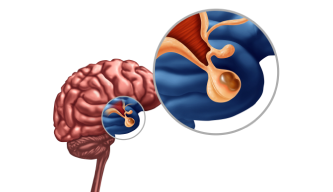
The pituitary gland is a pea-sized gland located at the base of the brain, just behind the eyes. It’s often called the “master gland” because it controls critical hormones affecting:
- Growth
- Reproduction
- Thyroid function
- Stress response
- Water balance
A tumor in this gland — even a small one — can cause major changes in body function.
What Is a Pituitary Tumor?
A pituitary tumor is a growth in the pituitary gland. Most are:
- Benign (non-cancerous)
- Slow-growing
- Classified by size and hormone activity
| Type | Description |
| Microadenoma | <1 cm in size |
| Macroadenoma | >1 cm in size |
| Functioning Tumor | Produces excess hormones |
| Non-functioning Tumor | Does not secrete hormones |
Common Symptoms of Pituitary Tumors
Symptoms depend on:
- Whether the tumor produces hormones
- Its size and pressure on nearby structures, especially the optic nerves
General Symptoms
- Headaches
- Vision problems (especially peripheral or blurry vision)
- Nausea, vomiting
- Fatigue
- Weight changes
Hormonal Symptoms
- Prolactinoma (High prolactin levels)
- Irregular periods
- Breast milk discharge
- Sexual dysfunction in men
- Infertility
- Growth Hormone Tumors (Acromegaly)
- Enlarged hands, feet, or jaw
- Joint pain
- Thickened skin
- Diabetes or high blood pressure
- ACTH Tumors (Cushing’s Disease)
- Round face, weight gain
- Purple stretch marks
- Mood swings, high blood sugar
- TSH Tumors (Thyroid-stimulating hormone)
- Palpitations
- Sweating
- Tremors
- Anxiety or weight loss
If you have multiple unexplained symptoms, especially involving vision or hormones — it’s time for a full endocrine evaluation.
How Are Pituitary Tumors Diagnosed at HCI?
We take a multidisciplinary approach:
- Hormonal blood tests
- MRI of the brain/pituitary with contrast
- Visual field testing
- Endocrinologist & neurosurgeon consultation
- Hormone suppression/stimulation tests, if needed
Treatment Options for Pituitary Tumors
Treatment depends on:
- Tumor size
- Hormone production
- Symptoms
- Age and fertility goals
- Medications
- First line for many prolactinomas (e.g., cabergoline)
- Can shrink tumors and normalize hormone levels
- Surgery (Transsphenoidal Surgery)
- Minimally invasive surgery through the nose
- Performed under general anesthesia
- No visible scars
- Quick recovery: most patients go home in 2–3 days
- Radiation Therapy
- Used if surgery isn’t fully successful or if tumor recurs
- Stereotactic radiosurgery (like CyberKnife) for precise targeting
“At HCI, we use neuro-navigation and intraoperative MRI for accurate, safe tumor removal — especially in complex or recurrent cases.”
— Chief Neurosurgeon, HCI
Life After Treatment
- Hormone replacement may be needed (temporarily or long-term)
- Regular follow-up with MRI and blood tests
- Visual and reproductive functions often improve post-surgery
- Many patients return to normal life, work, and family within weeks
Why International Patients Choose HCI for Pituitary Tumor Care
- Dedicated pituitary tumor board (neurosurgeon + endocrinologist + radiologist)
- Advanced imaging (3T MRI, visual mapping)
- Minimally invasive surgery team with 1000+ cases
- Post-op hormone monitoring and fertility support
- Affordable care packages for patients from:
- Nigeria
- Ivory Coast
- Tanzania
- Kenya
- Ghana
Patient Experience with Healthcare International:
Mekdes, a 36-year-old from Ethiopia, kept blaming her constant fatigue, headaches, and mood swings on stress. At Healthcare International, tests revealed a pituitary tumor affecting her hormones. “Finally knowing the real cause was a relief. With treatment, I’ve regained balance in my health and my life,” Mekdes said.
Pituitary tumors are treatable. Many are curable.
The key is timely diagnosis, expert care, and lifelong hormone balance — and that’s what HCI delivers.
Call, Message or WhatsApp us for appointments.
Healthcare International, your trusted partner for the best medical treatments.